Weekly Reflection – Topic 2
Hi all! Today for my weekly reflection I wanted to discuss the prompts around the 96 minute documentary we had to watch, Most Likely to Succeed.1 2
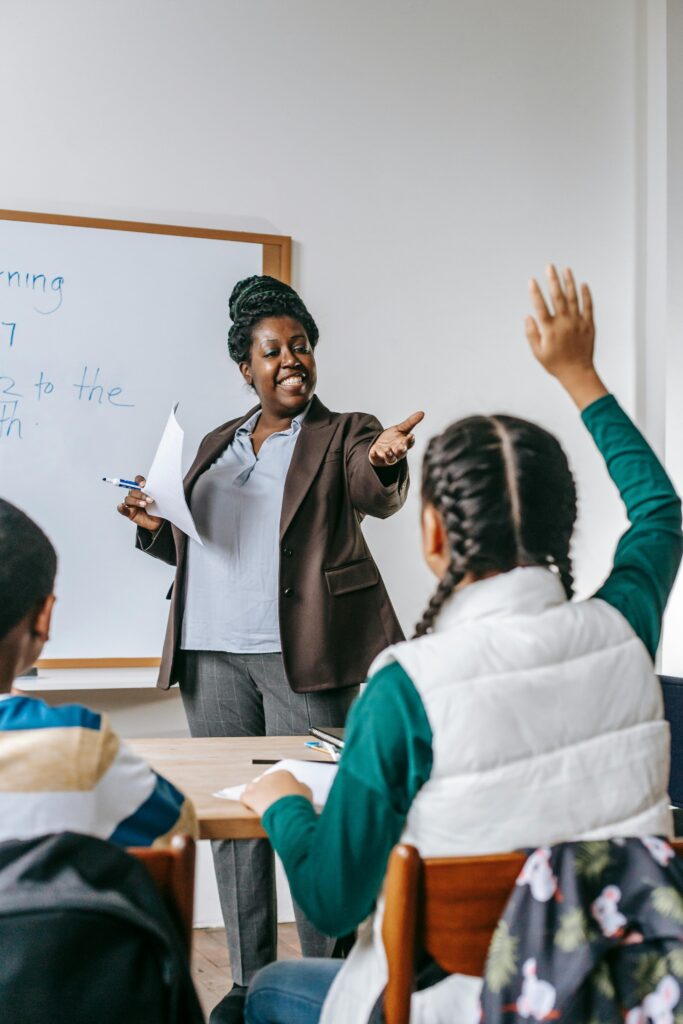
Next, I wanted to discuss the obstacles that educators face when they try to change pedagogy. I believe one of the obstacles is parents and the influence they have. When all of the parents have an issue with how a school is running, it can cause issues in the education system. Another obstacle that educators face is the administration level that typically controls how a school runs. Often the curricula and class standards within a school district make it so the teacher does not have as much room for experimentation. Furthermore, some schools may have insufficient funding or materials to explore new pedagogies. There is also the issue of the uncertainty around implementing new pedagogies because you never know how it will go or how students will respond and there is a fear of taking away from the necessary content that they will need to know. Overall, I think that it is definitely important to incorporate new pedagogy in the school systems but it has to be done carefully and with meaning.
I finally just wanted to touch on if we need to reimagine education. I personally think that there is a need to at least do some reimagining in the education system. I do not think every subject is able to be reimagined as much as High Tech High school but I believe aspects of that education format could be incorporated into the traditional school systems. Many school systems place too much emphasis on memorization and standardized tests and do not give enough attention to creative, critical thinking, and collaboration skills. These skills are essential beyond just high school, they help prepare students for the real world and everyday problem solving. By incorporating these aspects combined withe the required content, students would be better prepared for our complex world. Reimagining the education system does not mean that we completely have to overtake the system, but instead make more intentional changes that help students develop and grow as people.
- I wanted to start by discussing what excites me about this approach:
I thought that this video was extremely interesting and had a very unique take on education. My initial thought when I first started watching this video was about how these students will get into college or university and how successful they would actually be. This school definitely promotes things like critical thinking, creative thinking, and collaboration skills much better than traditional schooling, in my opinion. The way that all of the kids worked together was so awesome and the things that they were able to create was incredible. Another benefit would definitely be the fact that this type of schooling has a lot of freedom for cross curricular aspects where they can incorporate multiple subjects or concepts into a project. This gives students some more freedom and agency over their own learning and passions, which I think can be very beneficial to students who may not like traditional schooling. ↩︎ - Next I wanted to discuss what concerns me about this approach:
I had a major concern about one of the teachers saying that sometimes they only get through 40-60% of the content. I am from the sciences and was a great student in high school but first year university was extremely different and much more difficult so it was a bit of a shock. That is how I felt with my class covering all of the content as well as doing proper labs and reports, etc, so I am just thinking about some of the students entering that field with only 40-60% of the content and it does concern me. I just get worried about the transition from high school to university because this school format and the way universities run seem so different. ↩︎