Weekly Reflection – Topic 7
Hi everyone! This week I had my field trip to visit the Pacific School for Innovation and Inquiry. It was extremely interesting to see up close and personal and our group had a lot of questions for the tour guides. We have discussed schools that are similar to PSII many times, but to see it in person and see all of the kids working was a totally different experience. I have a few things I want to touch on in this blog post today as I am reflecting on my tour. The first thing I want to discuss is how the organize student’s classwork or to do lists. They use the Trello website, which is one of the online resources I reflected on in my blog a few weeks ago. The teacher showed us an example on his computer of how they use it and I thought it was really cool. They create different boards for things like “Do today”, “Completed work”, “Scheduled work”, etc and the teachers have access to these boards so they can keep track of where students are at in their inquiries. The next thing I wanted to discuss was how they do their assessment in this program. They have the whole framework that they use for assessment and the competencies online for the public to see which I thought was pretty cool. They have three different stages of assessment which is the baseline assessment, formative assessment, and then summative assessment. The baseline assessment is before the students start learning something or at any stage of their inquiry. The formative assessment is while they are learning something or at any stage of the inquiry as well. The summative assessment is after they’ve learned something or at an point of an inquiry. I think this assessment strategy works very well because it shows a lot of scaffolding and the progress of learning, no matter how long that may take. I feel like parts of this scaffolding of assessment could be incorporated into regular schooling.
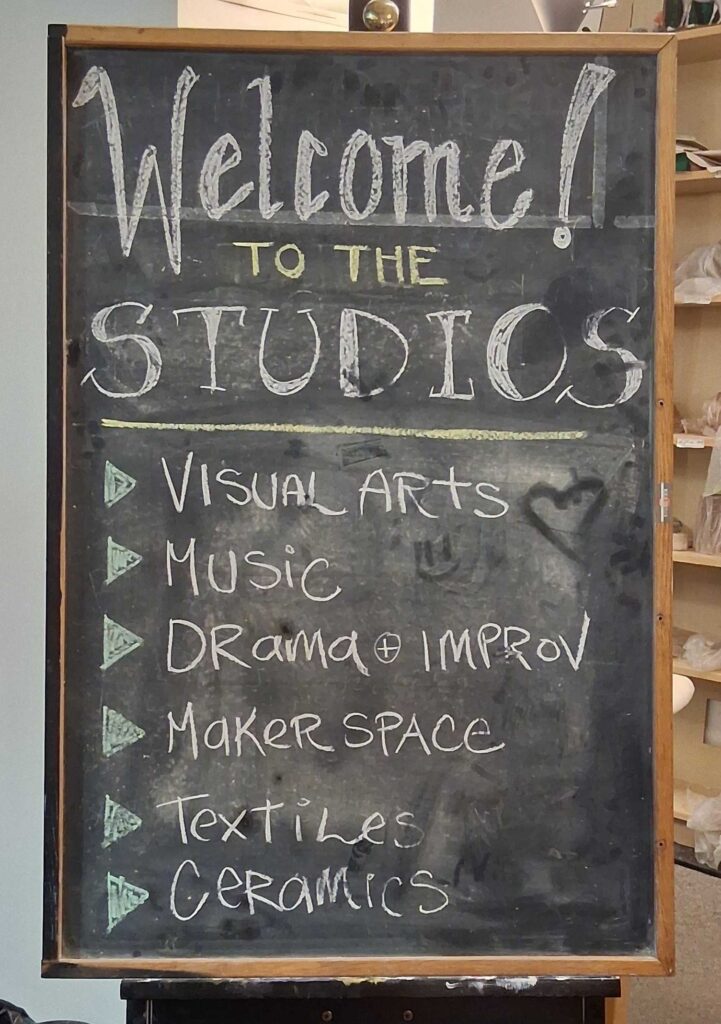
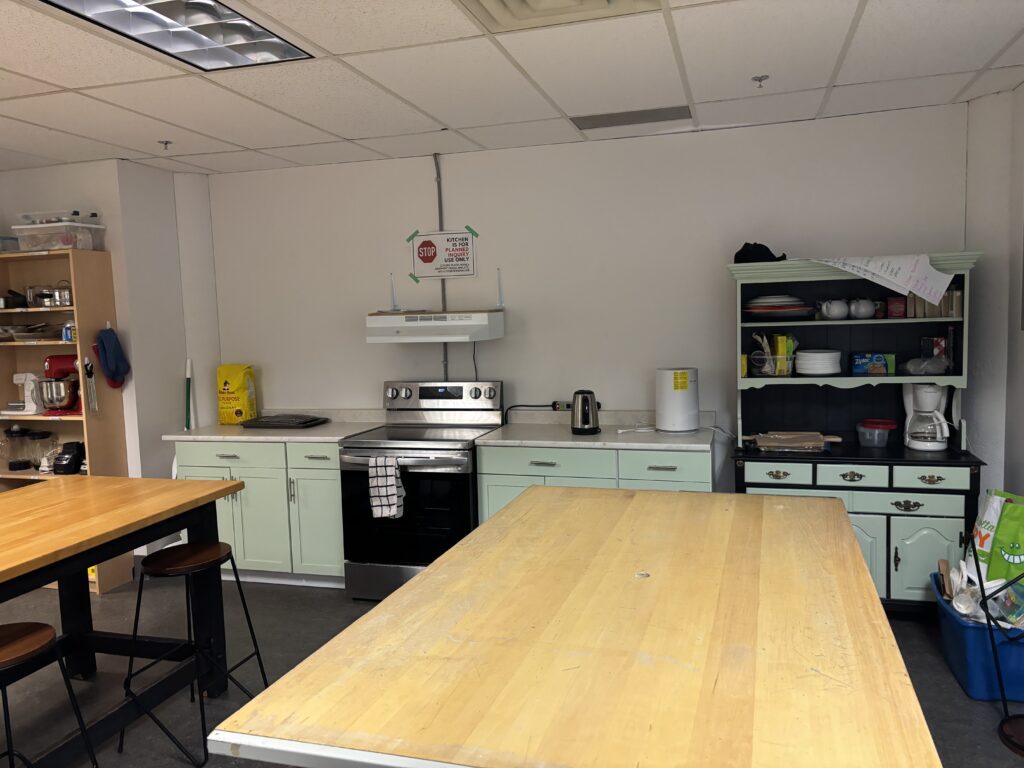
Another thing I wanted to mention was the kitchen space they have. When I was in high school, I absolutely loved foods and was super involved in the program so I was curious about that for any of these kids in this school. I asked the teacher and he said they do some foods classes in this little kitchen, but they are all inquiry based projects. Students were able to do things like recreate historical foods and create a project around that, and I thought that was a really amazing idea. I believe that type of project could be incorporated into any foods program at any school and the kids would absolutely love it.
The last big thing I wanted to discuss was the impact this type of schooling has on university applications and experiences. We asked quite a bit about university and one of the tour guides told us that many of their students actually do better in university than students coming from a regular public school. This is because the students at PSII have to thinking deeply and critically about concepts so they usually have a different understanding than maybe some traditional schooling. This leads to higher quality responses to university questions. Furthermore, these students are used to making quick connections with their teachers at PSII and building a community, so this results in students making faster and stronger connections with professors right from the beginning of the semester. The difficulty for PSII students can be adjusting to the rigidity of university and all of the test taking. I found it interesting how they do university applications, the tour guide said that they just take all of the aspects of the inquiries that they could fit into a regular high school course like “chemistry 12” or “English 12”, etc and create a transcript for universities from that. The university doesn’t know that they have any specific type of schooling, they still just receive a regular transcript like any other public high school. I thought that was very interesting as well because I was always curious about how university applications worked at schools like this.
Overall, I know a school like this would not have worked for me in high school just because I am very Type A and I need a lot of structure (and I really do not like inquiries if I am being honest because I have a hard time getting started and I am not very creative) but I could see how this type of schooling could work very well for many kids. The biggest part of this school that I could incorporate into my own future teaching is definitely science based inquiries where students get to research what they are interested in. However, in a regular classroom that won’t be quite as easy because it will probably have to be within a certain unit or big idea. If it is done well though, it could be a very beneficial addition to the regular classrooms.
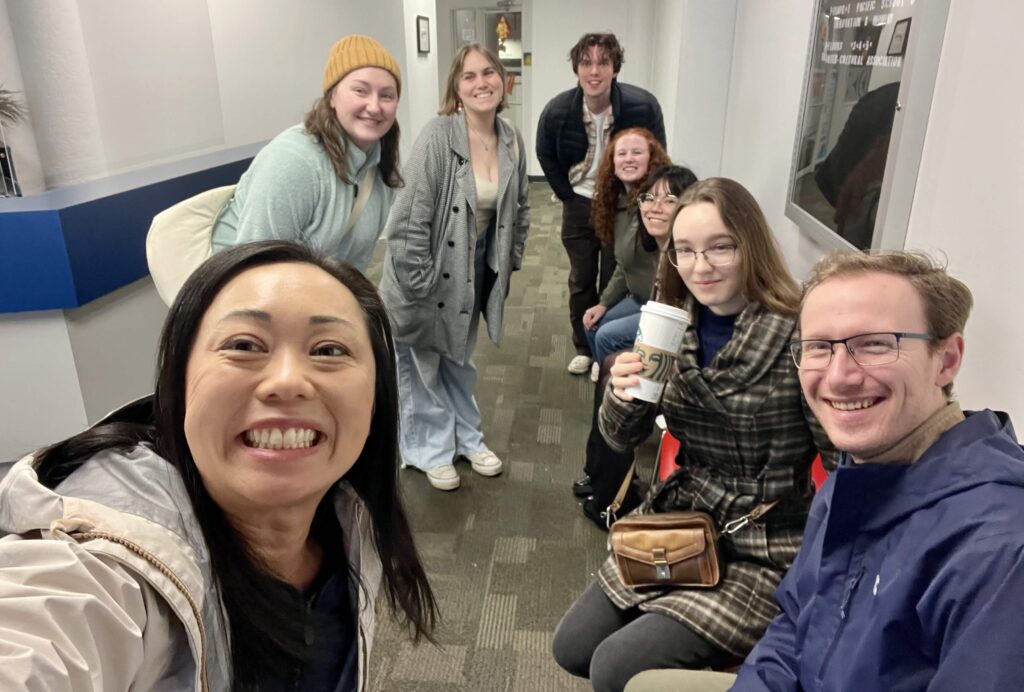
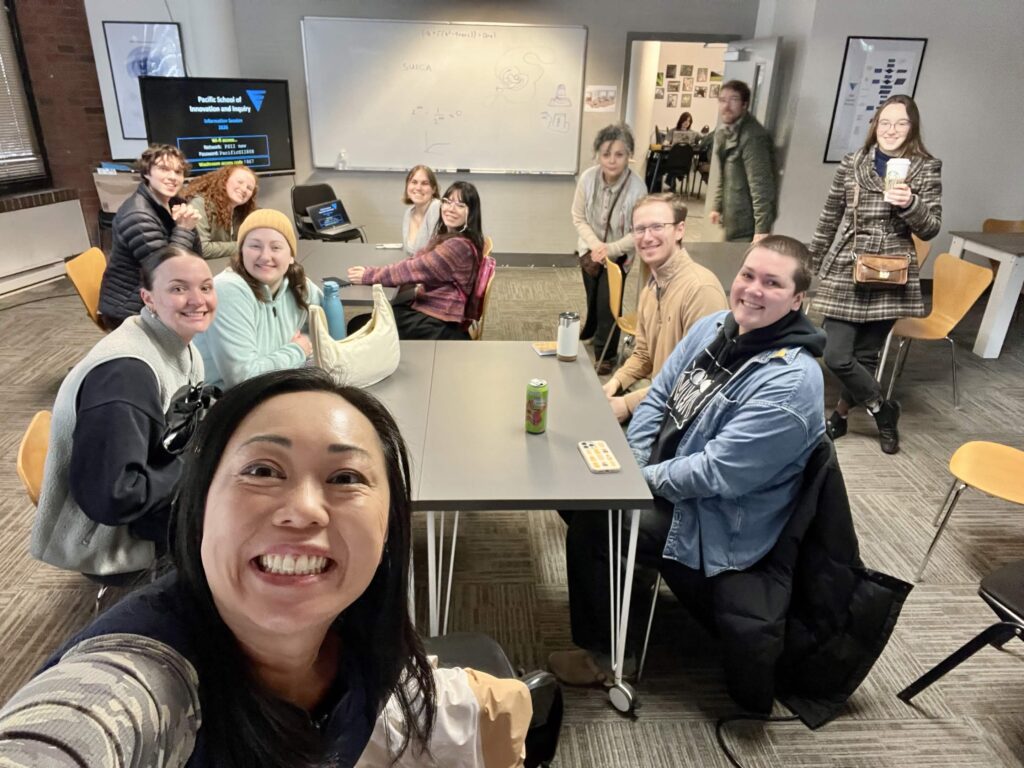
Here are just a couple selfies we took at the field trip that I wanted to include to finish this post off with (thanks to Amy!)